
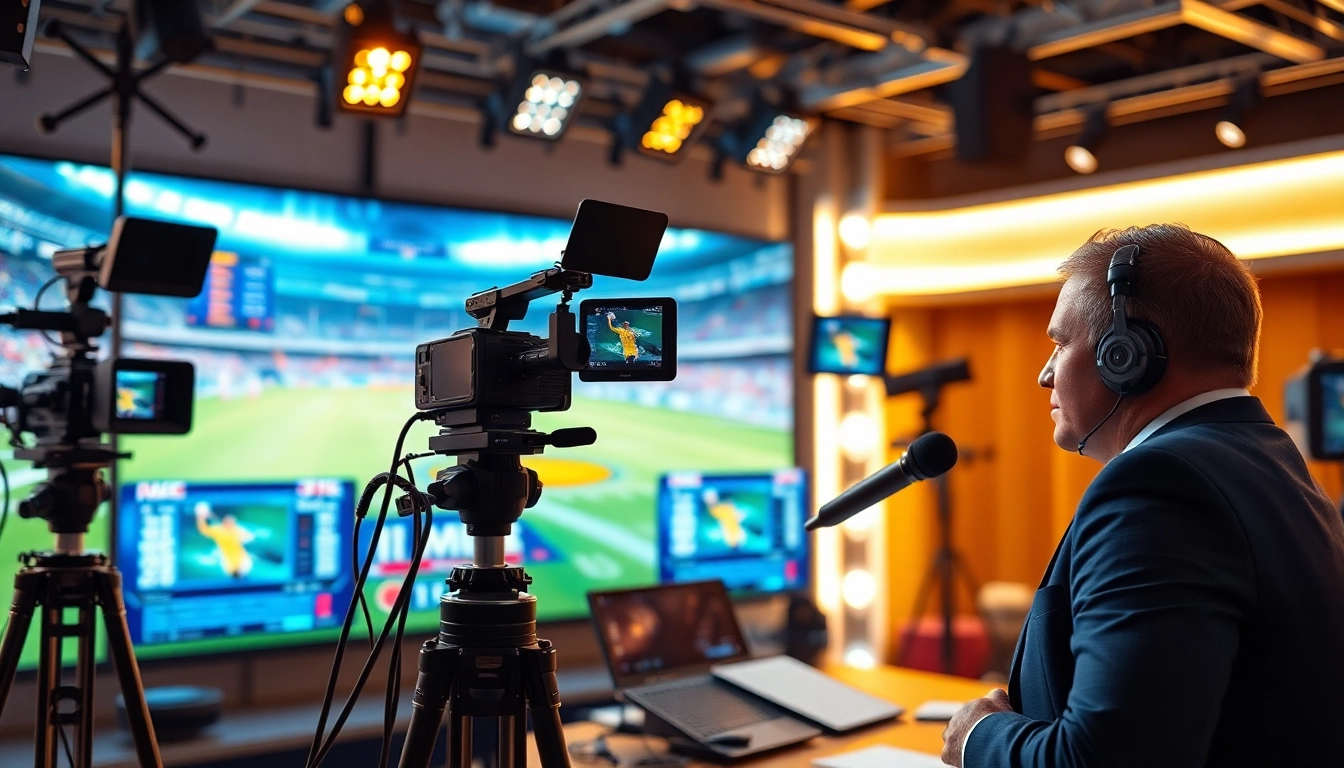
Understanding the Basics of Sports Broadcasting
Definition and Importance of Sports Broadcasting
Sports broadcasting is a vital wing of the media industry, encompassing the live or recorded transmission of sports events on various platforms, including television, radio, and online streaming. This domain holds significant importance as it not only serves as a primary source of entertainment for millions of fans worldwide but also plays a crucial role in the sports industry by generating revenue through advertisements, sponsorships, and media rights. By offering real-time coverage of events, highlights, and in-depth analysis, Sports Broadcasting enhances fan engagement and promotes the athletes and teams involved.
Key Roles in Sports Broadcasting
The realm of sports broadcasting comprises various roles that work in synergy to deliver a polished and engaging viewing experience. Key personnel typically include:
- Commentators: The voices that provide play-by-play coverage, bringing excitement and context to the actions unfolding in real time.
- Analysts: Experts who provide insights and detailed analysis before, during, and after broadcasts, often enhancing the audience’s understanding of the game.
- Producers: The individuals responsible for the overall production, including coordinating camera angles, graphics, and transitions.
- Cameramen: Professionals who operate cameras to capture footage and close-ups, ensuring that viewers experience the event as though they were there.
- Directors: Those who oversee the entire broadcast, making split-second decisions about what the audience sees and hears.
Evolution of Sports Broadcasting Technologies
The technological advancements in sports broadcasting have significantly transformed how audiences experience sports. In the early days, radio was the primary medium for sports updates. However, with the emergence of television in the mid-20th century, live sports broadcasts became accessible to the masses, revolutionizing fandom. Today, with innovations such as high-definition (HD) and 4K broadcasts, augmented reality (AR), virtual reality (VR), and mobile streaming, fans enjoy immersive experiences that continue to redefine viewer engagement. The use of instant replay technology and viewer analytics have also enhanced the overall quality of sports broadcasting, providing real-time insights and improving viewer satisfaction.
Essential Techniques for Successful Sports Broadcasting
Preparing for Live Broadcasts
Preparation is essential for a successful live sports broadcast. Broadcasters must conduct extensive research about the teams, players, and the context surrounding each event. Prior to the broadcast, a comprehensive plan should encompass logistics such as equipment checks, coordinating with the production team, and rehearsals. Additionally, content creators may prepare segments that include player interviews, historical context, and pre-game analysis to provide viewers with valuable insights and enhance the viewing experience.
Effective Communication and Presentation Skills
Successful communication skills are paramount for anyone working in sports broadcasting. Presenters and commentators should convey information in a clear, engaging, and dynamic manner. Tailoring vocabulary to the target audience while maintaining professionalism is crucial. Training and practice allow broadcasters to hone their delivery style, ensuring that their passion for the sport translates through their commentary. Furthermore, being adaptable during live broadcasts helps presenters handle unexpected situations gracefully.
Using Technology to Enhance Coverage
Harnessing current technology is pivotal for enhancing sports coverage. Broadcasters utilize advanced software for graphics and data visualization, providing viewers with statistics and analysis in real-time. Utilizing drones and robotic cameras ensures that angles and shots remain dynamic and engaging. Moreover, integration of social media during broadcasts can foster viewer interaction and provide platforms for additional content, ultimately enriching the overall viewing experience.
Trends Shaping the Future of Sports Broadcasting
Emerging Technologies in Sports Broadcasting
The landscape of sports broadcasting is continually evolving, thanks to emerging technologies. Innovations such as 5G connectivity empower broadcasters to deliver higher-quality streams with minimal latency. Artificial intelligence (AI) is transforming data analytics, enabling more accurate statistics and insights. Additionally, machine learning algorithms can enhance personalized content delivery, tailoring experiences based on individual viewer preferences. These technologies collectively contribute to an enriched viewer experience.
Changing Viewer Preferences and Consumption Habits
As viewer preferences shift, so too do the methods of sports broadcasting. An increasing number of fans are opting for on-demand streaming services over traditional cable television, leading to a surge in subscription-based models. Similarly, younger audiences prefer shorter, highlight-driven content that fits within their busy schedules. To adapt, broadcasters are streamlining content and experimenting with episodic formats, further engaging fans through tailored experiences.
Impact of Social Media on Broadcast Strategies
Social media has become an indispensable tool in sports broadcasting, influencing how content is shared and consumed. Platforms like Twitter, Instagram, and TikTok are used to promote events, share highlights, and engage with fans. By analyzing engagement metrics, broadcasters can refine their strategies and boost audience interaction. Moreover, social media facilitates real-time conversation, allowing fans to participate in discussions, enhancing the overall community around sports.
Challenges in the Sports Broadcasting Industry
Dealing with Competition and Market Saturation
The sports broadcasting industry faces intense competition primarily driven by an influx of new players entering the market. With sports content readily available across multiple platforms, standing out is increasingly difficult. Broadcasters must innovate continuously and offer unique value propositions to attract and retain audiences. Developing niche sports programming or exclusive rights deals can allow companies to carve their own space amidst market saturation.
Ensuring Compliance with Broadcast Regulations
Compliance with broadcast regulations is a significant challenge faced by the industry. Various laws dictate content rights, agreements, and advertising standards. Continuous monitoring of regulatory changes is essential to avoid potential liabilities. Establishing strong legal teams and maintaining transparent relationships with partners will help ensure adherence to legal norms while achieving business goals.
Managing Viewer Expectations and Engagement
Viewer expectations may also pose challenges to sports broadcasters. Fans today expect high-quality broadcasts, comprehensive analysis, and engaging content. To meet these heightened expectations, broadcasters need to invest in training their personnel, improving technological infrastructure, and incorporating feedback mechanisms to understand audience needs better. By fostering a culture of active engagement and addressing viewer concerns, broadcasters can cultivate a more loyal fan base.
Performance Metrics in Sports Broadcasting
Measuring Audience Engagement and Reach
Measuring the success of sports broadcasts requires a robust understanding of audience engagement metrics. Key performance indicators (KPIs) may include viewer ratings, social media interactions, and viewer retention rates. By analyzing these metrics, broadcasters can gauge the effectiveness of their strategies and gain insights into audience preferences. Implementing audience surveys post-broadcast can also offer valuable qualitative feedback.
Analyzing Feedback for Continuous Improvement
Feedback loops play a critical role in refining broadcast strategies. Collecting viewer responses through surveys, social media interaction, or direct audiences allows broadcasters to identify areas for improvement. Analyzing trends in audience preferences can lead to adjustments in content delivery, showcasing an organization’s commitment to continuously enhancing the viewer experience.
Evaluating the Success of Broadcast Strategies
Ultimately, evaluating the success of broadcast strategies means aligning performance metrics with organizational goals. This may include revenue growth from advertising, audience size, or enhanced viewer interaction. Creating a balanced scorecard approach that integrates both quantitative and qualitative measures will provide a holistic view of performance, driving continuous improvement and strategic planning in the sports broadcasting sector.
Frequently Asked Questions
What skills are essential for a sports broadcaster?
Essential skills include effective communication, on-screen presence, knowledge of sports, and the ability to engage with audiences. Adaptability and quick thinking are crucial during live broadcasts.
How has technology changed sports broadcasting?
Technology has introduced high-definition broadcasts, instant replay, virtual reality experiences, and advanced viewer analytics, significantly improving the viewing experience.
What are key performance metrics in sports broadcasting?
Key metrics include audience ratings, viewer engagement on social media, and retention rates, which help evaluate the effectiveness of broadcasting strategies.
What challenges do sports broadcasters face today?
Challenges include increased competition, managing viewer expectations, and ensuring compliance with regulations while adapting to changing viewer preferences.
How can sports broadcasters engage audiences?
Engagement can be enhanced through interactive content, real-time social media participation, tailored programming, and maintaining transparency with viewers.